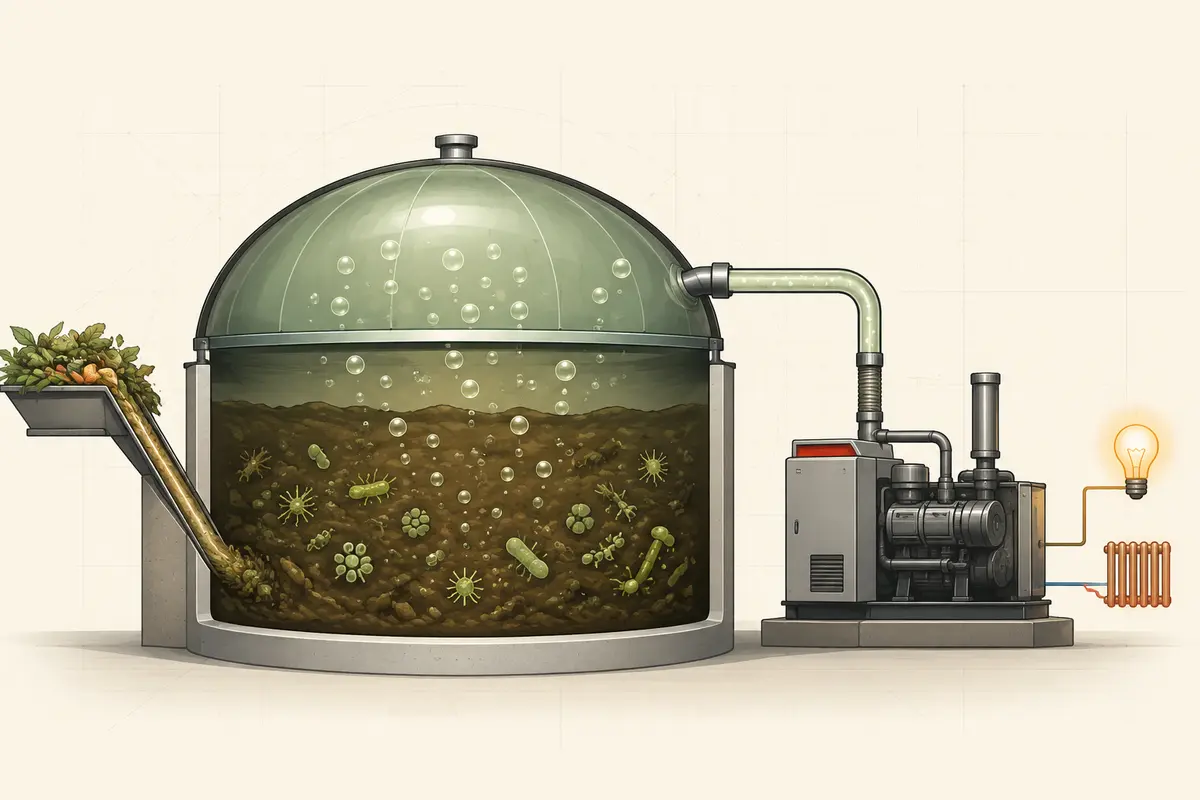
What is biogas and how is it produced?
Biogas is produced when microorganisms break down organic matter in the absence of oxygen. Behind that simple definition is a biological and technical process that requires careful control.
Read the article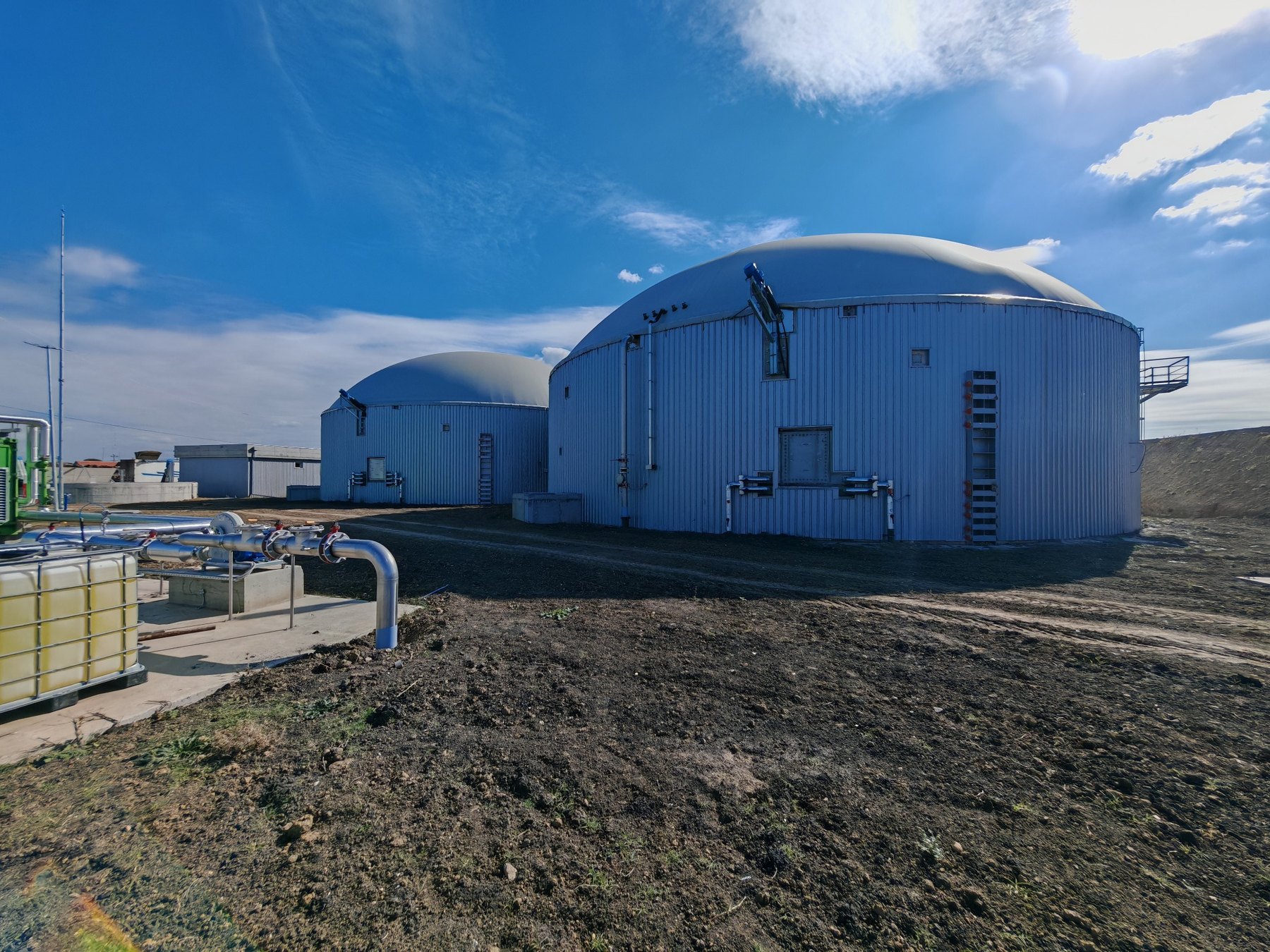
Clear technical guides to biogas production, mixing and treatment, plant equipment, biomethane, digestate and CHP energy.
Biogas is produced when microorganisms break down organic matter in the absence of oxygen. Behind that simple definition is a biological and technical process that requires careful control.
Read the article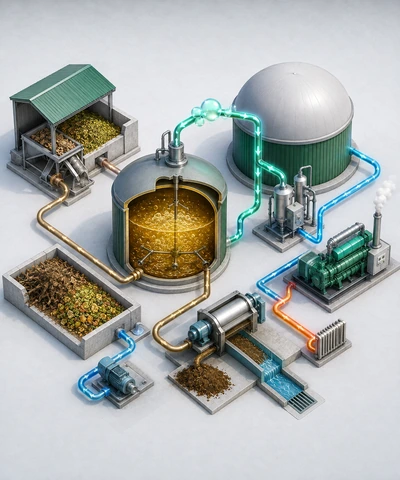
A suitable feedstock must be biodegradable, available in predictable quantities and compatible with the specific plant. A carefully selected mixture often gives the best result.
Read the article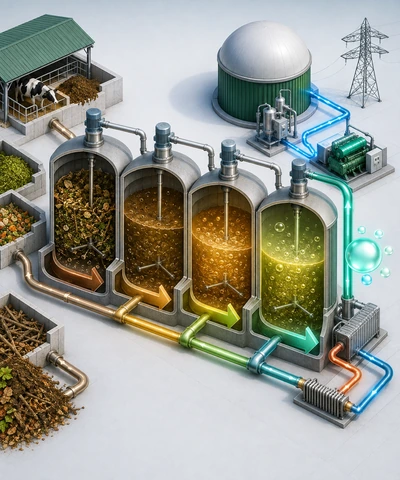
Methane production is not a single chemical step. It results from the work of several groups of microorganisms through hydrolysis, acidogenesis, acetogenesis and methanogenesis.
Read the article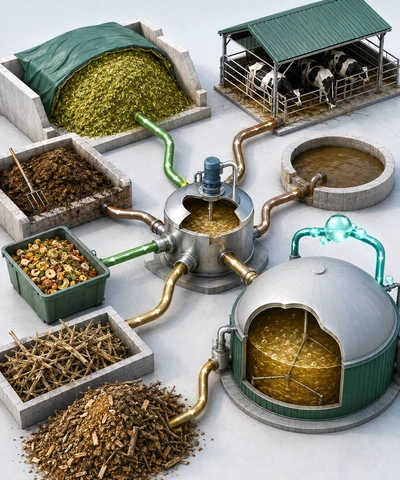
Each plant is adapted to its feedstocks and intended use, but most share the same functional areas: reception, digestion, gas, energy and digestate.
Read the article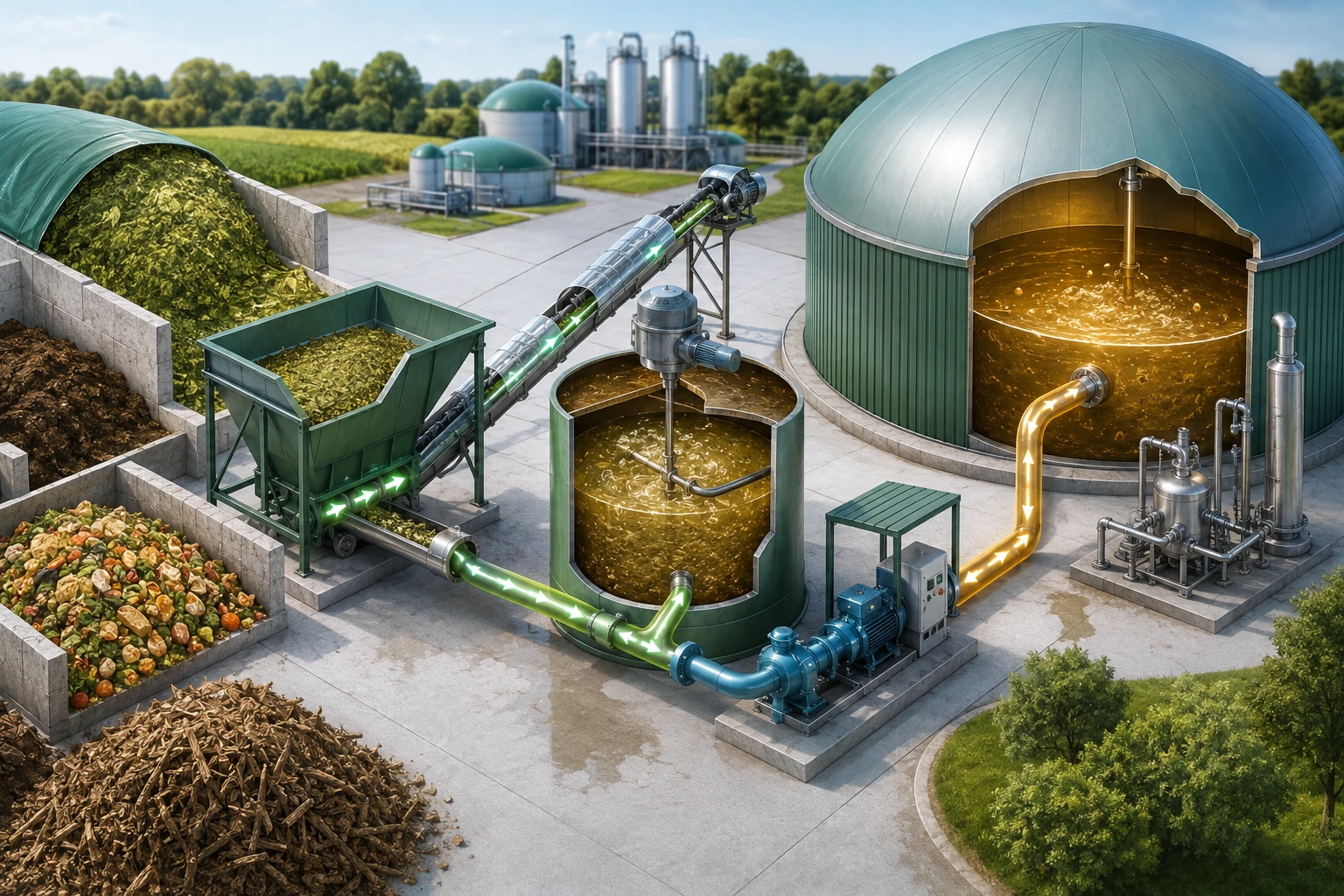
A comparison of dry feeding, active mixing and loosening, and wet feeding of solids into a recirculation stream.
Read the article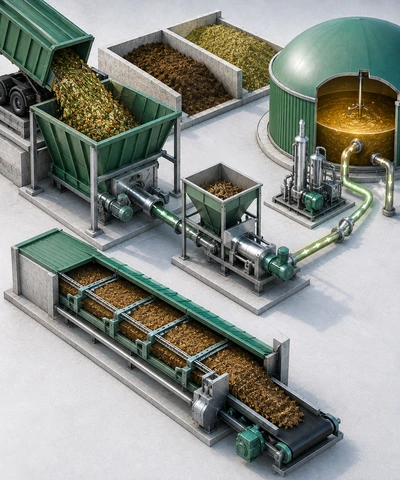
Three configurations cover different capacities and ways to discharge, loosen and transfer solid material.
Read the article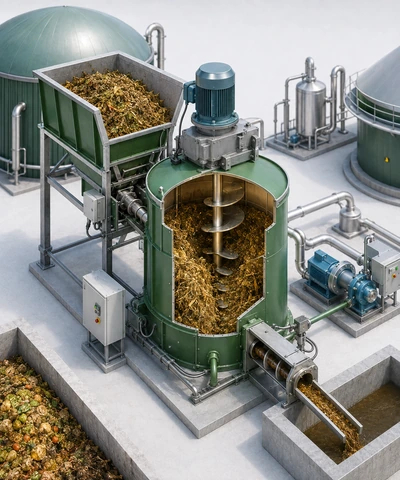
One, two or three vertical augers mix solid components before controlled transfer to the next process stage.
Read the article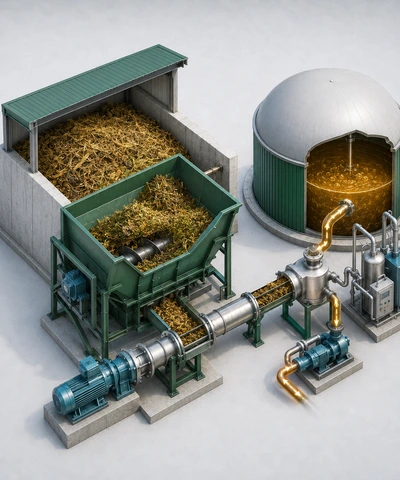
The system is designed for consistent delivery of straw, farmyard manure, catch crops and other fibrous materials.
Read the article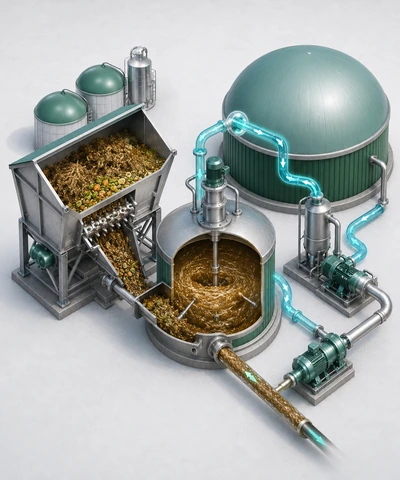
One compact unit separates heavy objects, mixes, cuts fibres and pumps the prepared suspension.
Read the article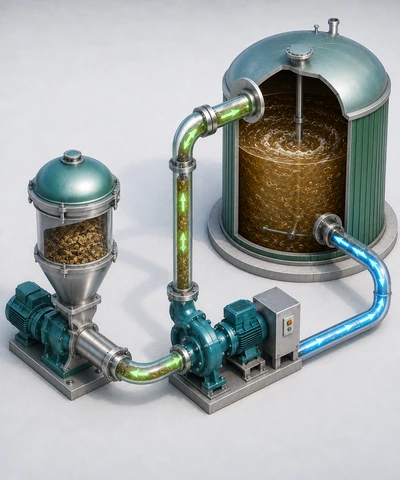
Biomass is compacted, trapped air is expelled and the material enters the pipeline to the selected digester in a controlled manner.
Read the article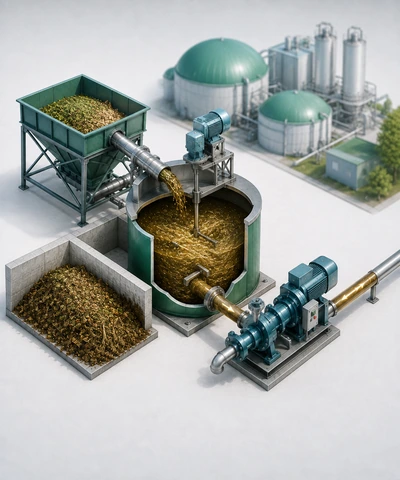
Solid substrates are mixed with liquid in the intake chamber and then pumped to one or more digesters.
Read the article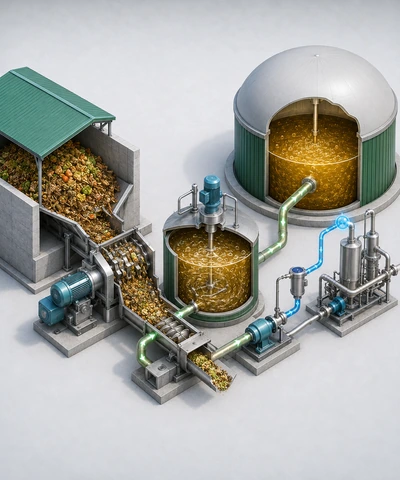
The system prepares different solid and waste feedstocks for controlled introduction into a liquid process stream.
Read the article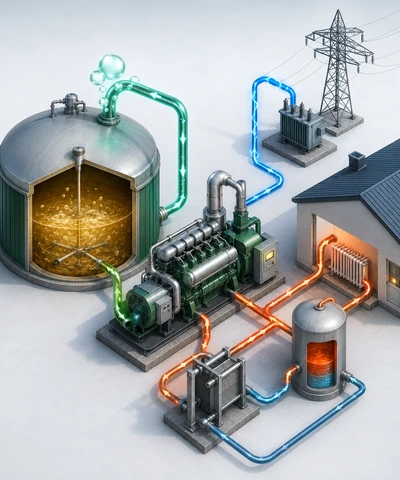
The most common energy route for biogas is CHP: an engine drives a generator, while heat from the engine and exhaust gases is recovered for use.
Read the article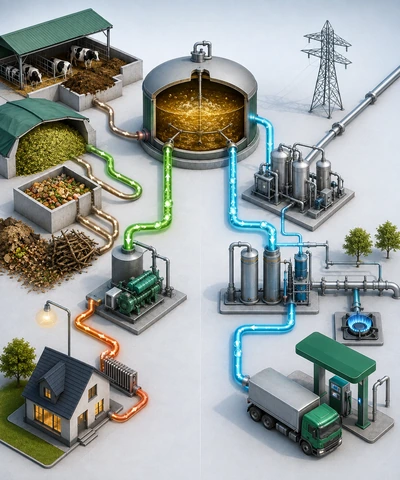
Biogas is the raw gas mixture from a digester. Biomethane is the upgraded gas with a high methane content and a wider range of uses.
Read the article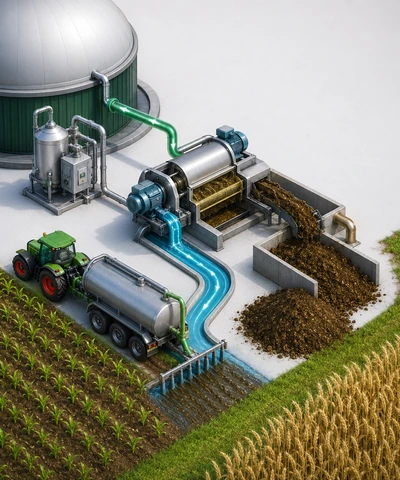
Digestate retains much of the nutrient content of the input feedstocks. Its value depends on input quality, treatment, storage and proper application.
Read the article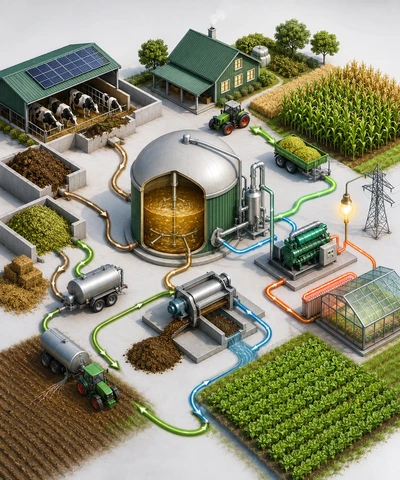
Biogas can bring together the management of organic residues, energy production and nutrient recycling, but only with a secure feedstock base and sound organisation.
Read the article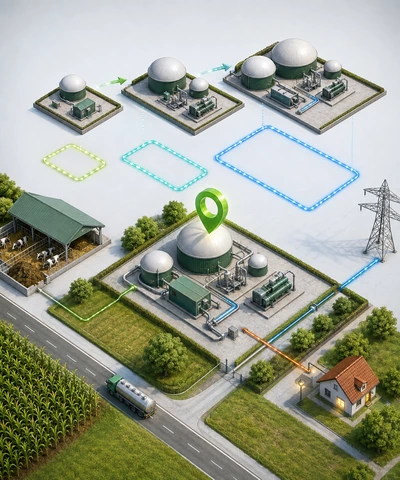
The site and capacity must reflect actual flows of feedstock, energy and digestate. A larger plant is not necessarily a better project.
Read the article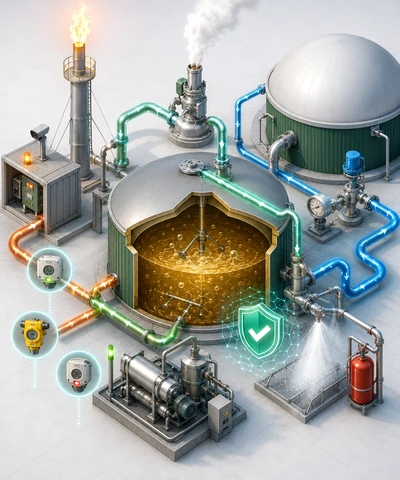
Biogas is flammable and some of its components can be toxic. Safety must therefore be built into the design, equipment, controls and daily operating procedures.
Read the article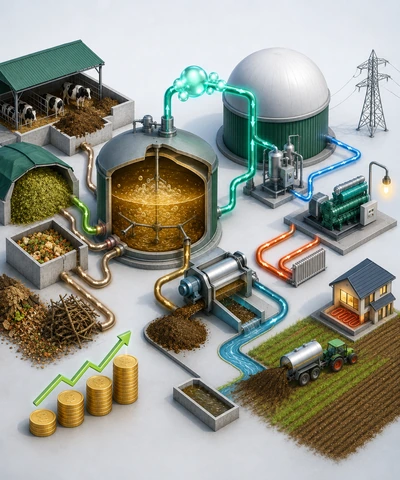
The selling price of energy alone does not determine viability. Feedstock, plant availability, on-site consumption, digestate, financing and contractual risks are all decisive.
Read the article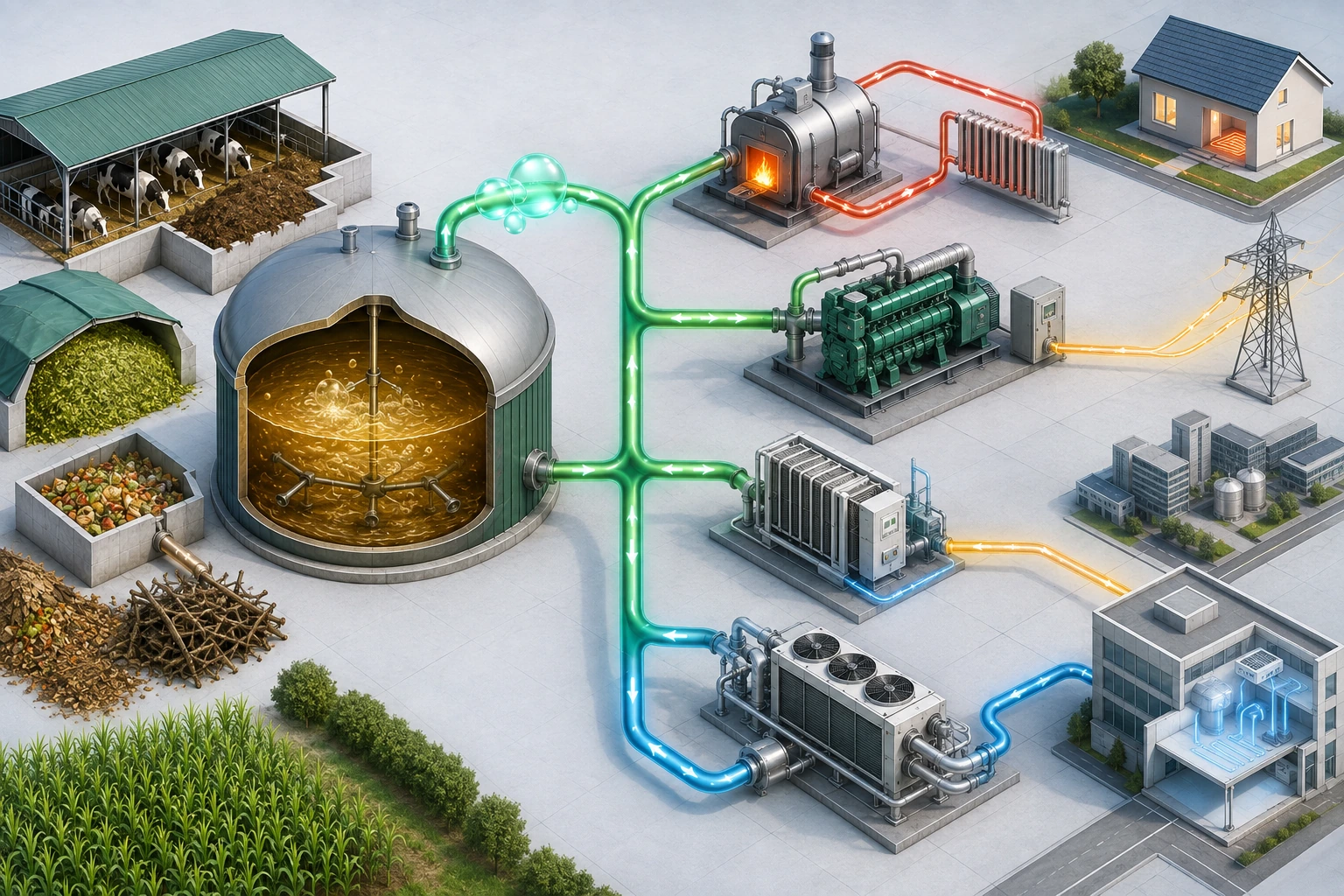
A comparison of direct heat, turbines, fuel cells, trigeneration and other on-site biogas conversion routes.
Read the article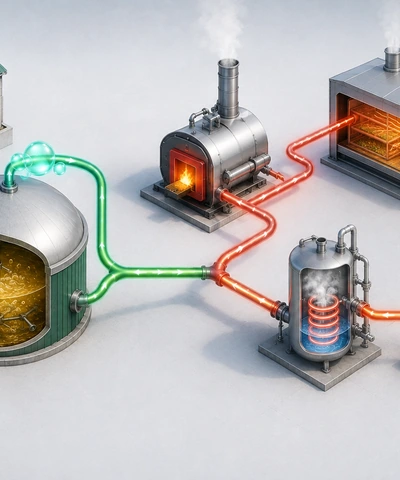
Where heat is more valuable than electricity, biogas can be used in boilers, dryers and industrial processes.
Read the article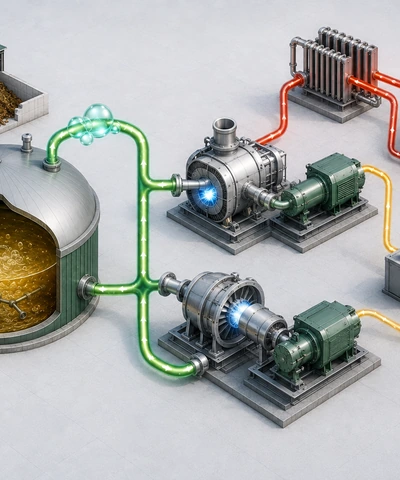
Turbines offer a compact rotating system for electricity and useful high-temperature heat.
Read the article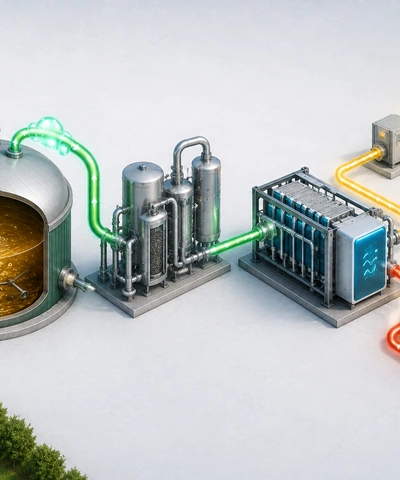
Fuel cells can generate electricity and useful heat from biogas, but require much cleaner gas and have different economics from gas engines.
Read the article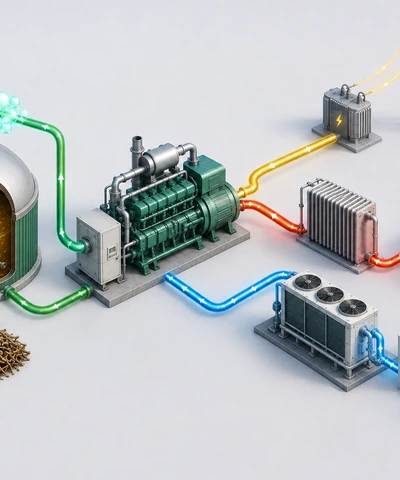
Adding an absorption chiller can use CHP heat to supply cooling in summer.
Read the article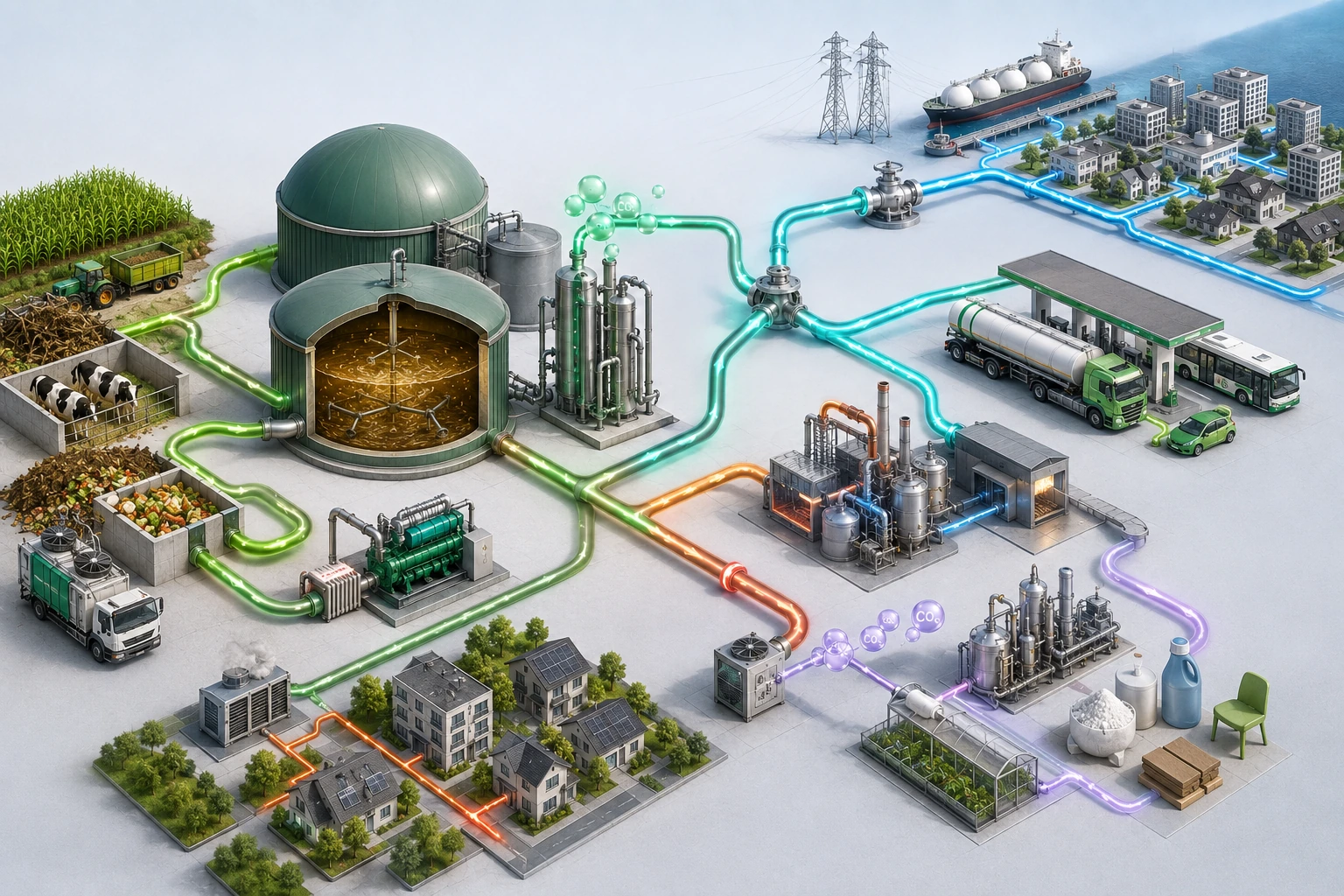
Biomethane can be injected into the grid, compressed or liquefied for transport, used in industry or converted into hydrogen and other products.
Read the article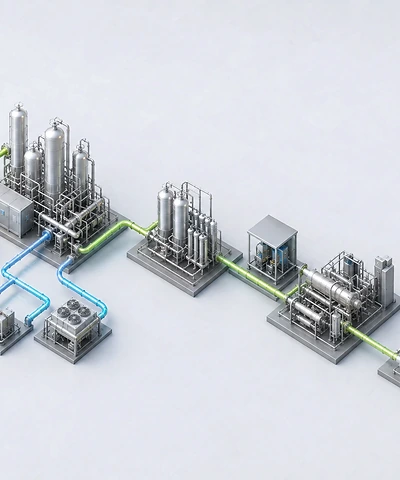
From gas quality and pressure to metering, odorisation and connection: what a reliable delivery station needs.
Read the article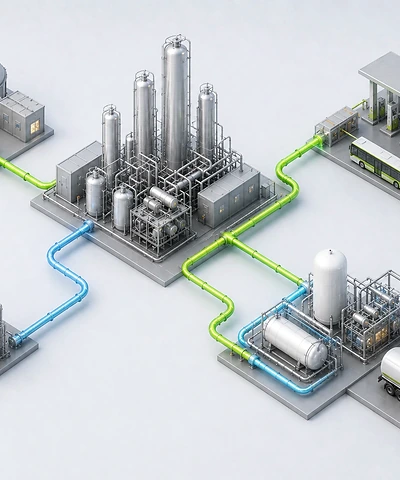
Compressed and liquefied biomethane differ in energy density, infrastructure, transport and suitable vehicle duty cycles.
Read the article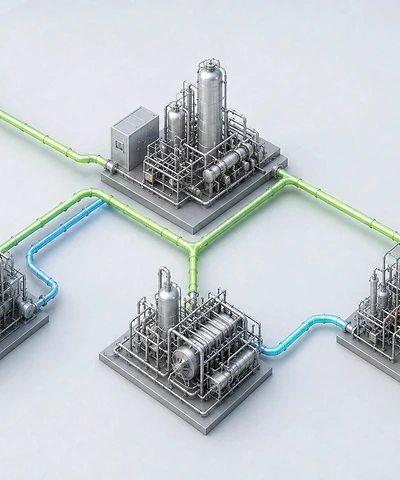
Biomethane can replace fossil gas for process heat or serve as a feedstock for hydrogen, synthesis gas and methanol.
Read the article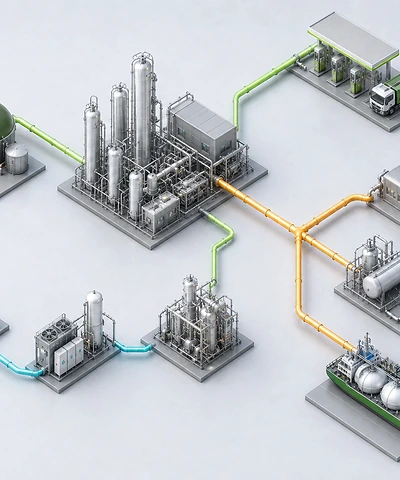
Separated CO₂ may become a product for industry and cultivation, or a feedstock for producing additional renewable methane.
Read the article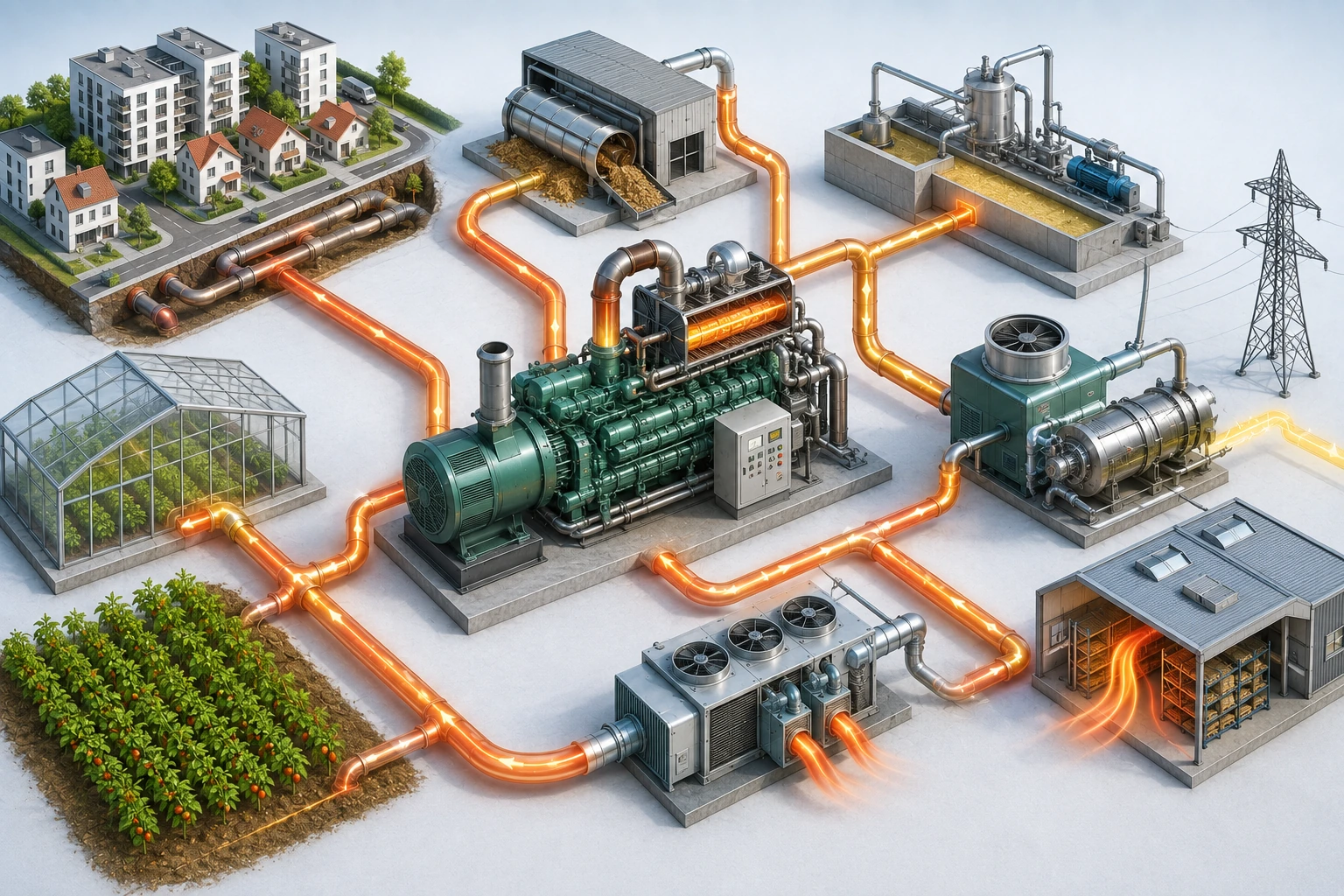
Heat from CHP at two temperature levels can serve heating, drying, process heat and cooling or generate additional electricity.
Read the article
A local heat network can connect CHP to homes, schools, farms and commercial premises, but demand and distance determine the economics.
Read the article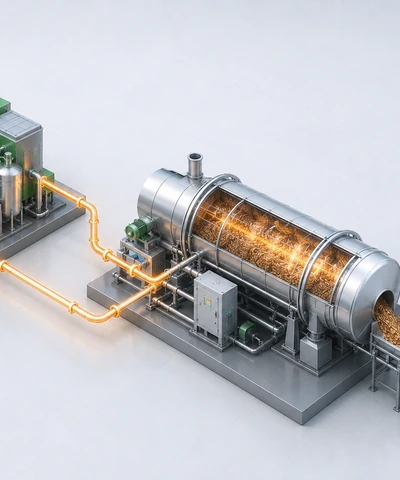
Surplus heat can dry grain, maize, wood and biomass, creating an additional service or product at the plant.
Read the article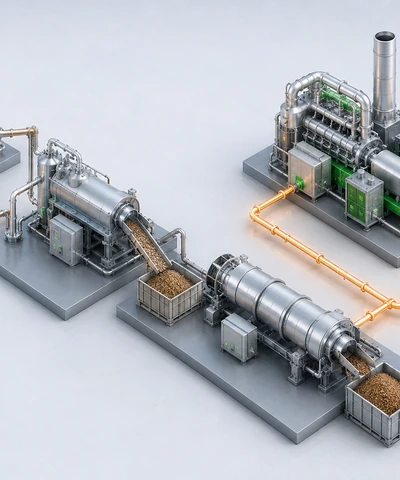
A separator divides digestate into liquid and solid fractions; surplus CHP heat can dry the solids into material better suited to further processing.
Read the article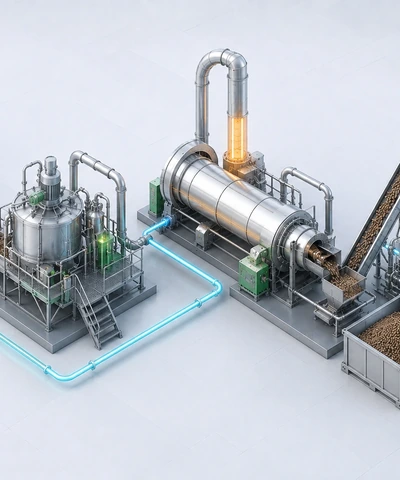
After drying, digestate can be conditioned and pelletised into a more uniform product for easier transport, application and potential sale.
Read the article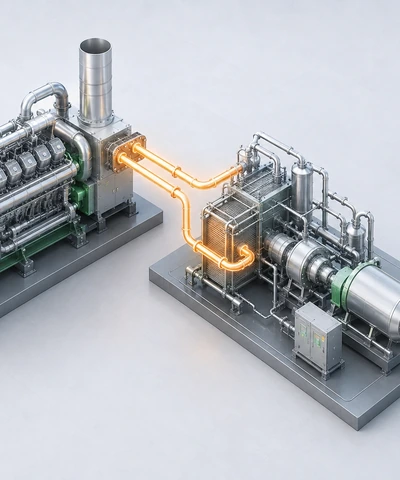
ORC uses exhaust heat and other engine heat streams to generate additional electricity without additional biogas consumption.
Read the article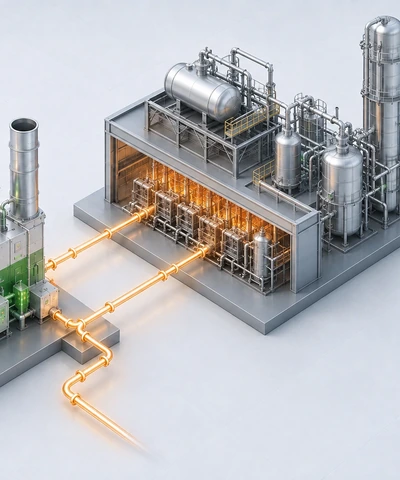
Food processing and other industries can use CHP heat for hot water, washing, preheating, drying and part of their steam demand.
Read the article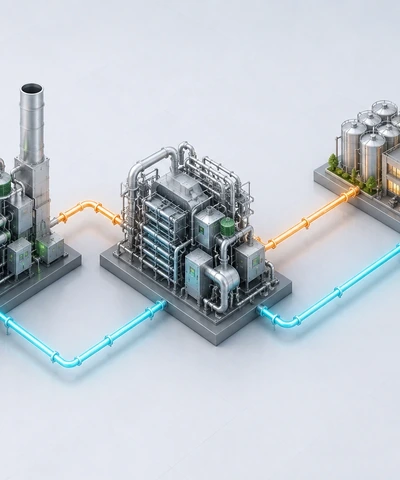
An industrial heat pump can raise the temperature of CHP cooling or return heat to a level useful for a more demanding process.
Read the article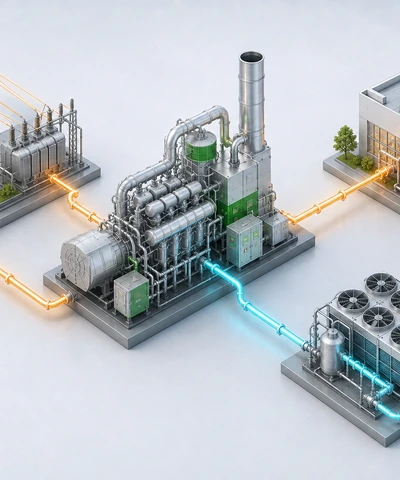
An absorption chiller uses CHP hot water to produce chilled water for storage, food processing, process cooling or air conditioning.
Read the article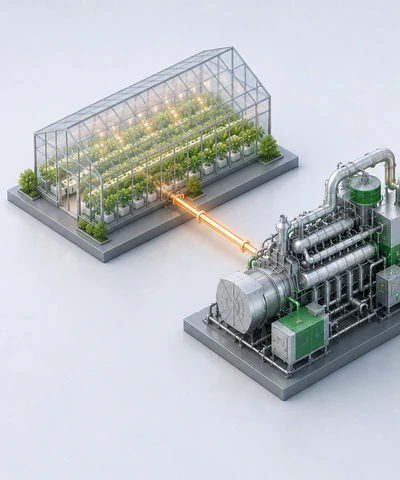
Greenhouses, poultry houses, farms and agricultural dryers can use CHP heat across different seasons and temperature requirements.
Read the article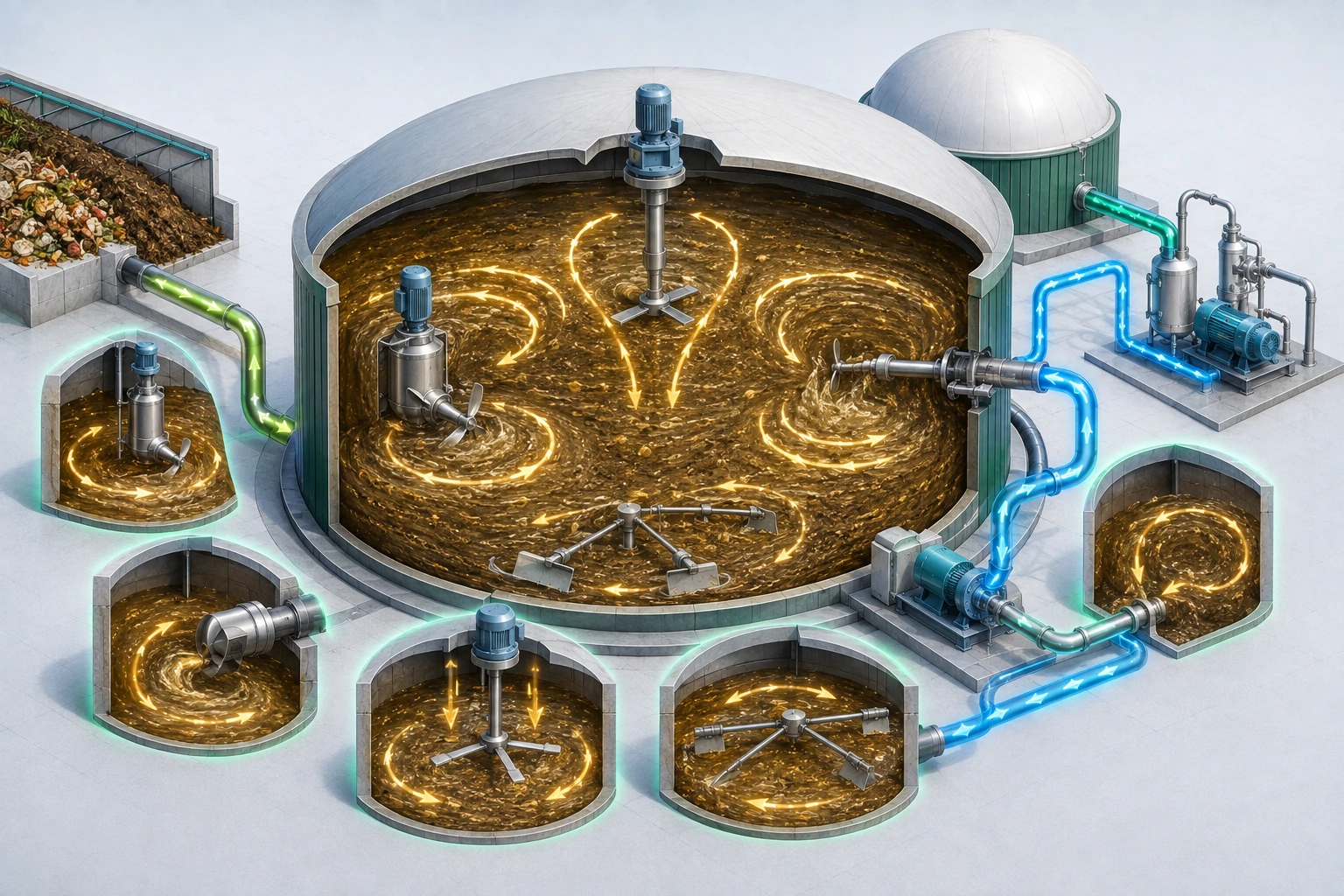
An overview of mixing in a digester: homogenisation, temperature control, prevention of sediment and floating layers, and contact between fresh substrate and active biomass.
Read the article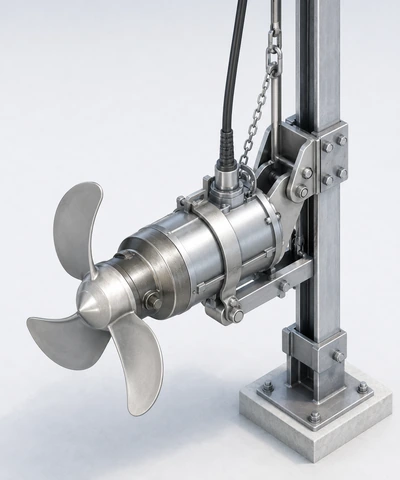
A submersible mixer can be repositioned on its guide rail and directed towards areas needing more flow, which is useful when the fill level varies.
Read the article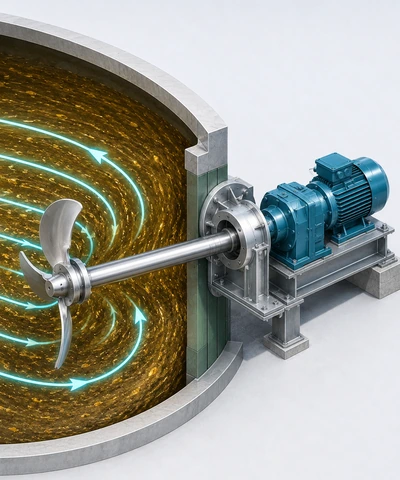
The drive remains accessible from outside, while the shaft and propeller enter the tank and create strong horizontal flow through a large volume of biomass.
Read the article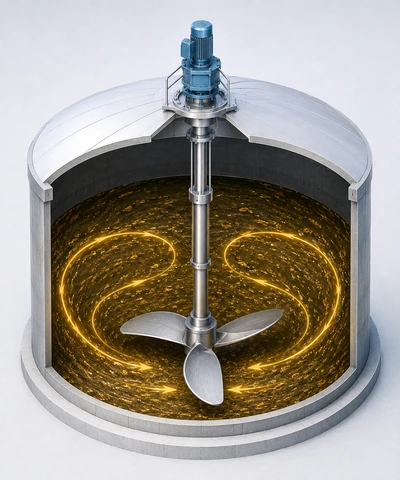
A large, slow-speed propeller can move a substantial volume of biomass and create vertical circulation at a relatively low rotational speed.
Read the article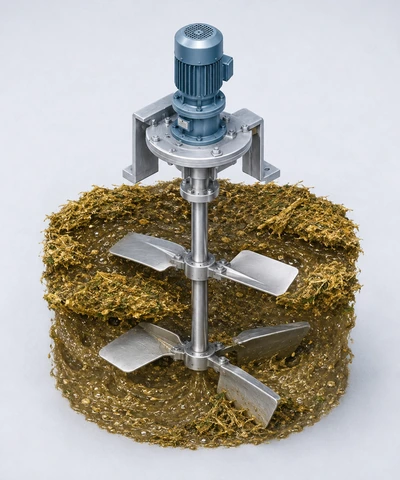
Large slow-moving paddles move viscous material and can be particularly useful where floating or settled layers form in a digester.
Read the article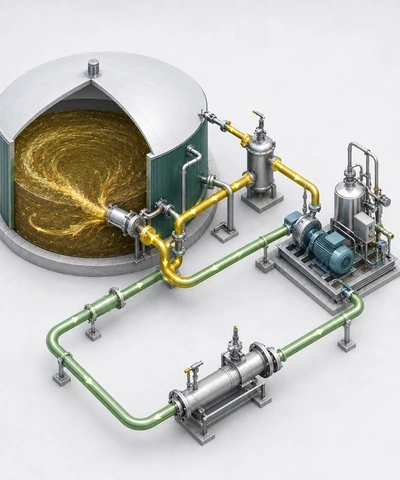
An external system of pumps, pipework and nozzles can mix digester contents by recirculating biomass and biogas, without a submerged motor inside the tank.
Read the article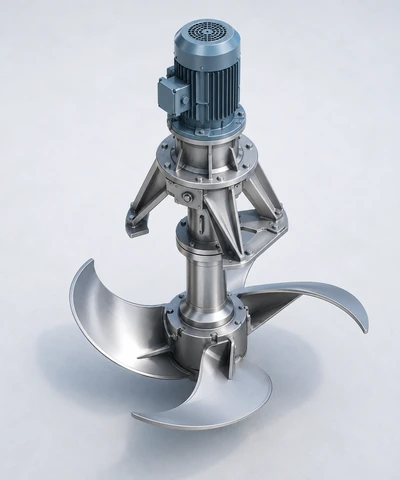
Long fibres, high dry matter content and heterogeneous structure can cause wrapping, floating layers and high torque, requiring a different mixing approach.
Read the article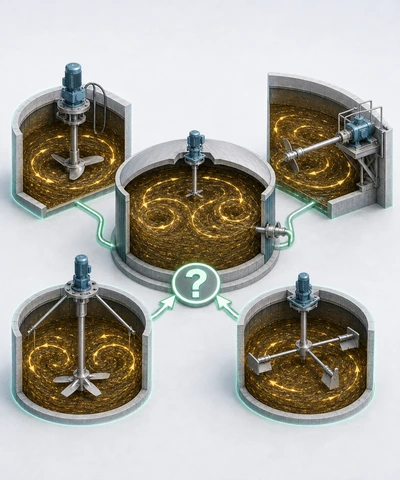
Start with the tank geometry, substrate characteristics, feeding method and maintenance requirements before deciding on the mixer type and power rating.
Read the article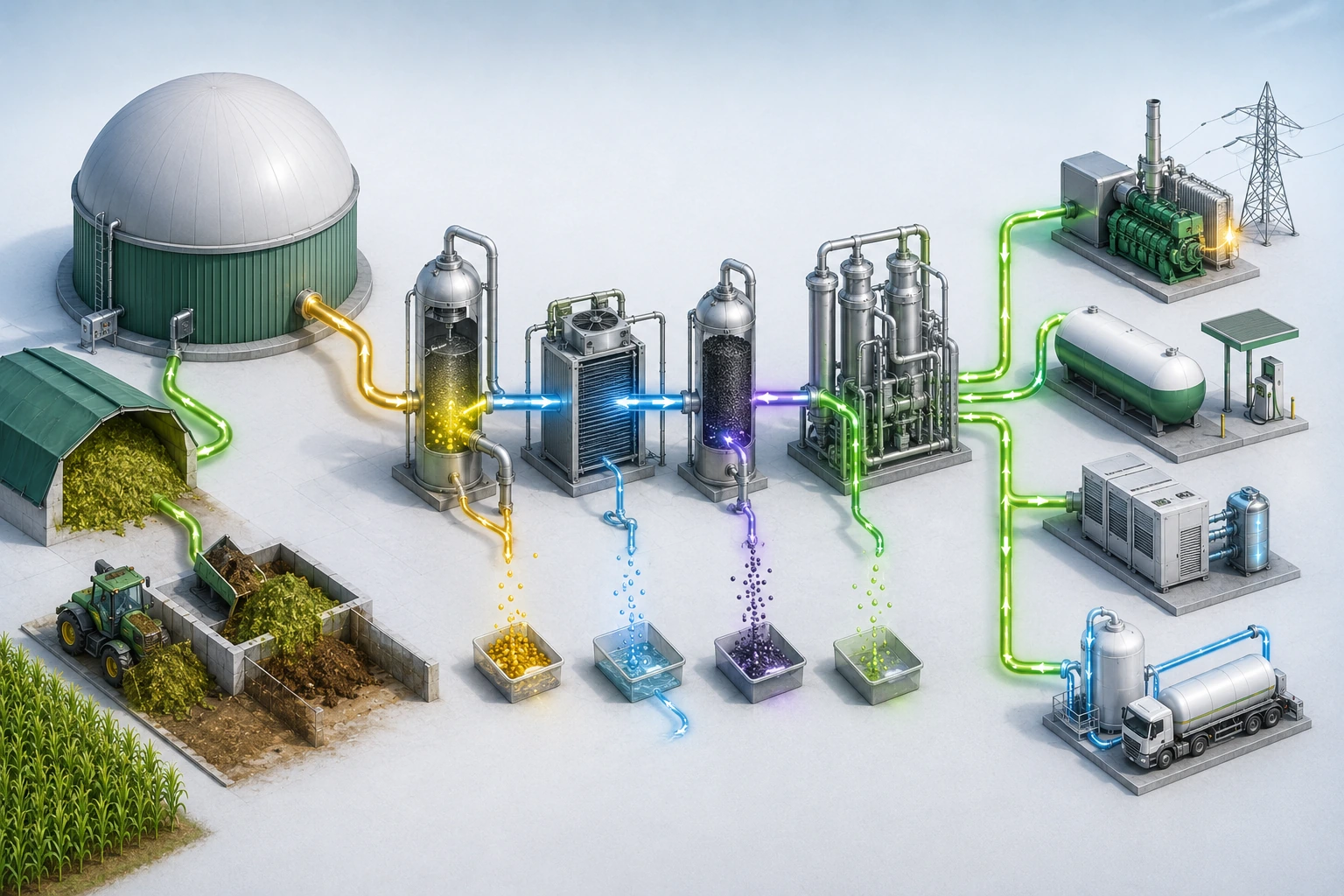
Raw biogas contains moisture, H₂S, CO₂ and trace compounds. The required treatment depends on whether the gas will feed a CHP unit, be upgraded to biomethane, supply a fuel cell or be made into Bio-LNG.
Read the article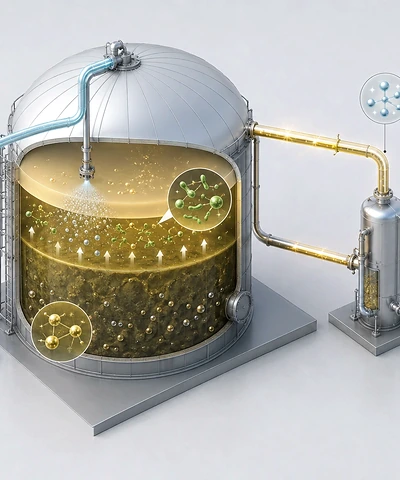
Controlled addition of a small amount of air or oxygen can promote biological sulphide oxidation within the digester and reduce the load on downstream equipment.
Read the article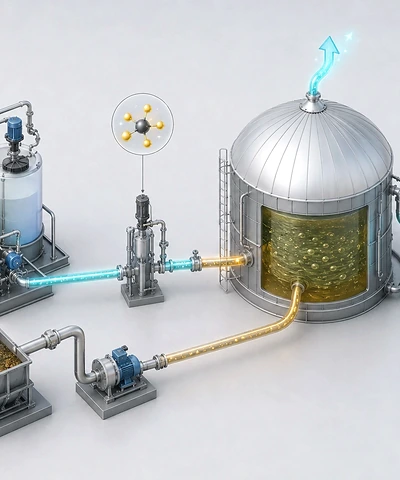
Iron salts can bind sulphides in the liquid phase before they enter the biogas. Dosing can be integrated with substrate intake and feeding.
Read the article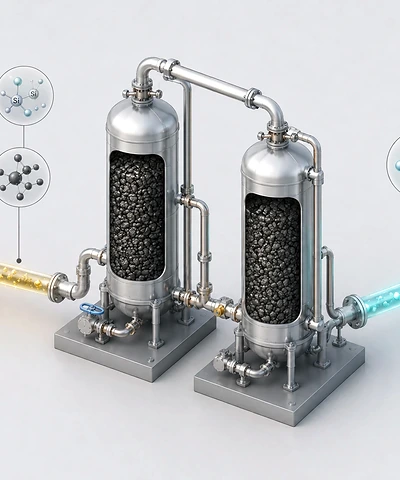
Activated carbon is often the final polishing stage, but different contaminants require different carbon grades and impregnation.
Read the article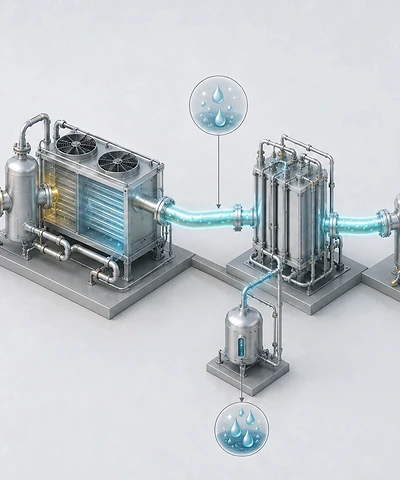
Cooling the gas condenses water vapour; a separator and drains remove the condensate before the compressor, engine, filters or upgrading system.
Read the article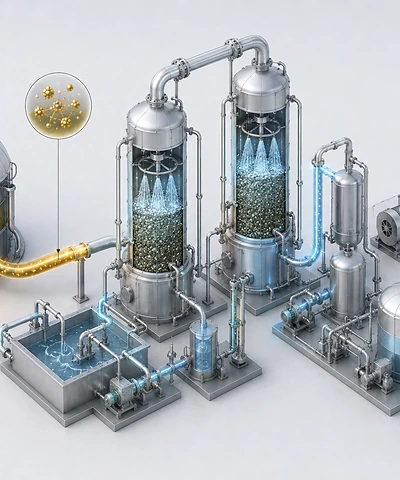
At higher gas flow rates or H₂S loads, an external scrubber can remove most of the sulphur using liquid regeneration or biological oxidation.
Read the article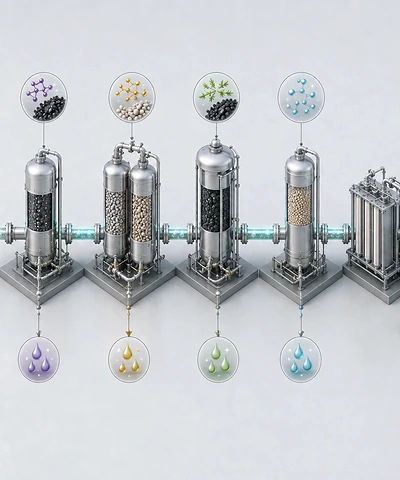
H₂S is not the only concern. Traces of siloxanes, VOCs, terpenes and ammonia can cause deposits, corrosion and problems for engines, membranes and catalysts.
Read the article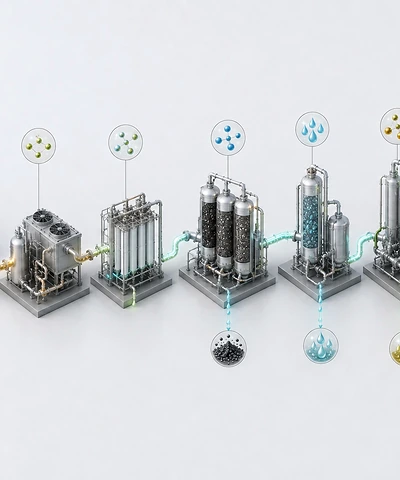
Upgrading separates CO₂ and raises the methane concentration. Membranes, PSA, water wash and amine scrubbing differ in their operating requirements, energy use and process characteristics.
Read the article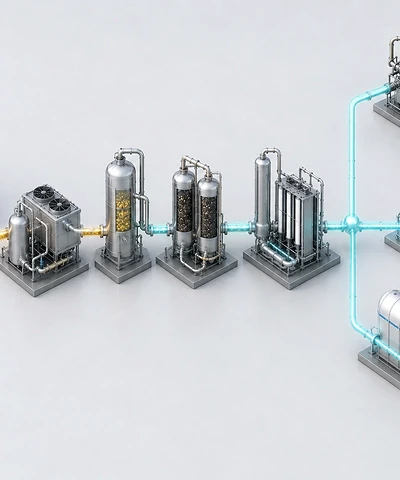
Requirements differ: a CHP engine, fuel cell, gas grid and Bio-LNG plant require different gas specifications. Design the treatment chain backwards from the intended end use.
Read the article